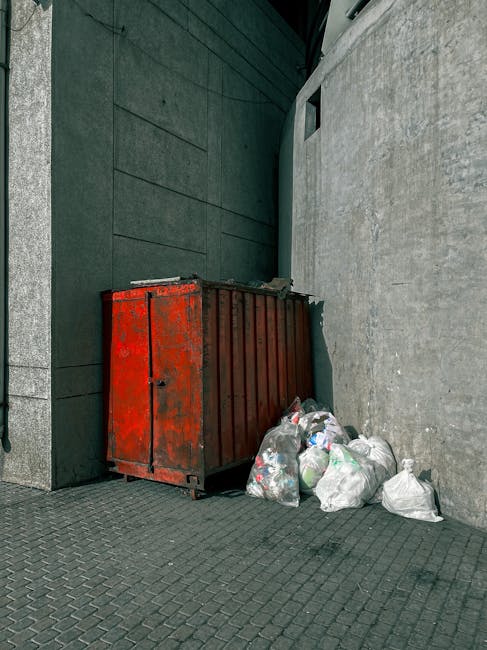
Rubbish clearance for Morden shops and small businesses

If you run a shop, cafe, salon, takeaway, office, or small workspace in Morden, rubbish has a habit of showing up at the worst possible time. A stockroom fills up. A broken display stand leans in the corner. Packaging, old furniture, and general clutter start eating into space you actually need for trading. That is where rubbish clearance for Morden shops and small businesses becomes less of a "nice to have" and more of a practical part of running the business.
Done well, clearance keeps your premises safe, presentable, and workable. Done badly, it can slow staff down, create trip hazards, and make a busy unit feel twice as small. This guide walks through what commercial rubbish clearance involves, how it works, what to watch for, and how to choose the right approach without overcomplicating things. Straightforward, local, useful.
Why Rubbish clearance for Morden shops and small businesses Matters
Small business space is expensive. Every square metre needs to pull its weight, especially in a shop or unit where stock, staff movement, deliveries, and customers all overlap. Rubbish clearance matters because waste is not just waste. It is space loss, time loss, and sometimes a compliance risk.
Think about the usual suspects: flattened cardboard, damaged packaging, old shelving, worn-out chairs, out-of-date promotional material, broken appliances, and the odd pile of "we'll deal with that later" items. Before long, the back room starts to feel like a storage cave. You will notice it in the small things first: harder stock checks, awkward access to the sink or fuse board, more dust, more frustration. Not ideal.
There is also the customer-facing side. A tidy frontage and clean entrance area send the right message, while clutter tells people the opposite, even if the business itself is doing fine. For many independent traders in Morden, that first impression is worth protecting.
Another reason it matters is the practical one: some waste cannot simply be left to build up. Mixed waste, electrical items, sharp materials, confidential paperwork, and certain bulky items all need handling carefully. If your business is near a busy high street, or you operate from a small unit with limited bin storage, one missed collection can snowball quickly.
Expert summary: rubbish clearance is not just about removal. It is about protecting usable space, reducing risk, and keeping the business presentable enough to trade comfortably day after day.
If you are also managing wider business waste, it can help to understand the difference between one-off clearance and ongoing collection. For regular commercial disposal needs, the page on business waste removal is a useful starting point.
How Rubbish clearance for Morden shops and small businesses Works
Most commercial clearance jobs follow a fairly simple pattern, although the details vary depending on what needs removing and how much access there is. The best providers keep the process quick and tidy, because no one wants a van blocking the entrance any longer than necessary.
1. Describe what needs clearing
You start by listing the waste type, approximate volume, and any awkward items. A stockroom full of cardboard is one thing. A back office with broken desks, appliances, and confidential waste is another. The clearer the description, the more accurate the advice.
2. Get a quote or estimate
Most services will price based on load size, labour, item type, access, and disposal requirements. A few items can be straightforward. A mixed load with heavy furniture or electrical equipment usually takes more care and more hands.
If you want to compare options before booking, the site's pricing and quotes page is a sensible place to look.
3. Agree the collection window
For shops and small businesses, timing matters. Early morning before opening, later in the afternoon, or a quiet midweek slot often works better than trying to squeeze it into a rush period. You do not want staff stepping around bags all day while customers are coming through the door.
4. Separate special items
Good practice is to set aside items that need separate handling. That might include fridges, printers, office electronics, or anything that could be hazardous. If you have old appliances sitting in a break room or storeroom, a specialist page like fridge and appliance removal can be relevant.
5. Clear, load, and sweep through
A proper clearance team should remove items without leaving the place looking worse than before. In reality, there is often dust, packaging scraps, and the odd forgotten cable behind a cabinet. That last sweep is where the difference shows.
6. Disposal, sorting, and recycling
After collection, waste should be sorted for reuse, recycling, or disposal where appropriate. If a provider is committed to better waste handling, their recycling and sustainability approach is worth reviewing.
Key Benefits and Practical Advantages
The benefits are more than cosmetic, though a cleaner shopfront definitely helps. Let's face it, people trust organised spaces more than chaotic ones. It is human nature.
- More usable floor and storage space: removing dead stock, broken fixtures, and packaging gives staff room to move and work properly.
- Better customer impression: tidy entrances, counters, and window areas feel more professional and more inviting.
- Reduced trip and handling risks: fewer obstacles means safer movement for employees and contractors.
- Faster reopening after a refit or delivery: if you have had work done, junk can be cleared away without waiting on your own team to do several heavy runs.
- Less stress for staff: people work better when they are not constantly stepping around clutter.
- Improved sorting of waste streams: appliances, cardboard, furniture, and mixed rubbish can often be handled more efficiently when separated properly.
There is also a less obvious advantage: once a clearance is done, business owners tend to make sharper decisions about what actually needs to stay. That usually leads to better stock control and less "just in case" hoarding. Which, to be fair, every small business does a little at some point.
For larger pieces of unwanted office or shop furniture, the service pages for office clearance and furniture disposal may also be useful depending on the type of items involved.
| Benefit | What it means in practice | Why it matters for small businesses |
|---|---|---|
| Space recovery | Clears back rooms, entrances, and stock areas | Lets you store and display more of what you actually need |
| Time saved | Less staff time spent moving rubbish | Protects trading hours and reduces interruption |
| Safer premises | Removes clutter and unstable items | Supports a better working environment |
| Better presentation | Cleaner, tidier customer areas | Improves confidence and first impressions |
| Smarter waste handling | Items are sorted and removed appropriately | Helps reduce avoidable disposal mistakes |
Who This Is For and When It Makes Sense
Rubbish clearance is useful for far more than just big refits. In fact, some of the most common jobs are the small, awkward ones that keep getting pushed back until they become annoying.
This is usually a good fit for:
- independent shops with crowded stockrooms
- cafes, takeaways, and food businesses with packaging buildup
- salons and barbers replacing old chairs, mirrors, or cabinets
- small offices clearing broken desks, filing cabinets, or redundant equipment
- workshops and trades businesses with offcuts, packaging, and mixed waste
- rental units being prepared for handover
- businesses after a delivery, fit-out, or minor refurbishment
It also makes sense if you are already doing a broader clear-out. For example, a shop owner might clear storage areas alongside old domestic-type items from a staff kitchen, or a small office might combine waste removal with confidential shredding. If the latter applies, the page on confidential shredding is relevant because paperwork should not just be thrown in a general mixed load.
In our experience, the people who benefit most are the ones who have been working around the clutter for months. By the time they book, they are usually relieved before the van even arrives. You can hear it in their voice, honestly.
Step-by-Step Guidance
If you want the smoothest possible clearance, a bit of preparation goes a long way. Nothing fancy. Just a calm, practical plan.
- Walk the premises first. Check the shop floor, stockroom, cellar, storage cupboard, yard, or rear access area. Note what is actually rubbish and what is still needed.
- Group items by type. Put cardboard, furniture, broken fixtures, appliances, and general waste in separate piles where possible. That makes quoting and loading easier.
- Flag anything unusual. Fridges, paints, chemicals, sharp objects, glass, or heavy items should always be mentioned in advance.
- Clear access routes. Move stock, signage, and loose boxes out of the way so the team can work safely and quickly.
- Choose the best time slot. Early access before customers arrive is often best for small shops. For businesses in narrow streets, parking and loading access can matter a lot more than people expect.
- Check what will be taken. If you are not sure whether an item is acceptable, it is worth comparing with the guidance on what can go in a skip as a useful reference point, even if you are not hiring a skip.
- Ask about recycling and disposal. A good provider should explain what happens to reusable or recyclable material, not just say "we'll take it away".
- Do a final sweep. Once the load is gone, check corners, behind counters, and under shelving. It is surprising how often a lone cable or broken basket gets missed.
If your clearance includes bulky home-style items from staff spaces or converted units, related services such as furniture clearance or even mattress and sofa disposal may be more appropriate for the specific items involved.
Expert Tips for Better Results
A few small decisions can make the whole job easier. These are the bits that save hassle later.
- Take photos before booking. It helps with clearer estimates and avoids "we thought it was only a few bags" misunderstandings.
- Be honest about access. If the van needs to park a little way off, or the clearance is up stairs, say so early. Hidden access issues are what slow jobs down.
- Keep hazardous items separate. Do not tuck batteries, chemicals, or unknown liquids into a mixed pile and hope for the best. That is one of those shortcuts that ages badly.
- Plan around trading hours. The best jobs are the ones that barely interrupt the day.
- Ask how sorting is handled. Reuse and recycling should happen as part of the process where feasible, not as an afterthought.
- Use clearance to reset systems. After rubbish is removed, label shelves, review stock holding, and remove anything that keeps collecting in the same corner. Otherwise, the clutter comes back. It always tries to.
If your business produces a steady stream of commercial waste rather than one-off clutter, looking at waste removal alongside clearance can help you create a more stable routine.
Common Mistakes to Avoid
Most problems with commercial rubbish clearance are not dramatic. They are small oversights that snowball into time loss or extra cost.
- Leaving sorting until the day of collection. It slows everything down and makes it harder to separate different waste types.
- Assuming everything can go together. Electrical items, sharp waste, and anything potentially hazardous need proper handling.
- Not measuring bulky items. A large cabinet or fridge can be more awkward than it looks when you try to get it through a narrow doorway.
- Forgetting about customer access. If rubbish blocks the shop entrance, even briefly, that can affect trade.
- Choosing the cheapest option without checking what is included. The price matters, of course. But so does whether labour, loading, and disposal are actually covered.
- Ignoring paperwork and payment details. For businesses, clarity matters. Have a look at payment and security if you want a better sense of how transaction handling should be approached.
Another one, and this is a classic: waiting until the bin area is overflowing before acting. By that point the job is no longer "a quick tidy-up". It is a project.
Tools, Resources and Recommendations
You do not need a toolkit the size of a warehouse to prepare for a clearance. A few simple things help enormously.
- Bin bags or sacks: useful for lightweight general waste and loose debris.
- Marker tape or labels: handy for separating items that must not be mixed.
- Phone camera: useful for photographing the load before booking or comparing options.
- Gloves and basic cleaning supplies: good for a quick pre-clearance sort, especially in dusty storerooms.
- Measuring tape: worth having if you are dealing with bulky furniture or appliances.
For businesses that are replacing old stockroom fittings or getting rid of worn-out fixtures, the pages on house clearance and home clearance are not direct commercial services, but they do show the kind of item-based clearance approach that can be useful when planning mixed contents removal. If the waste includes building debris after repairs, builders waste clearance is the more relevant direction.
One simple recommendation: keep a "clearout list" in your phone notes all year. Add broken fittings, outdated display items, and anything parked in the wrong corner. When clearance time comes, you will not have to rely on memory. Memory is lovely, but unreliable on a Tuesday afternoon.
Law, Compliance, Standards, or Best Practice
For Morden shops and small businesses, compliance is mostly about using sensible, documented waste handling practices. You do not need to become a waste specialist, but you do need to be careful about what leaves the premises and who takes it.
In the UK, businesses are generally expected to manage their waste responsibly, use reputable carriers, and avoid fly-tipping or improper disposal. That means checking that a provider handles waste lawfully, separates items appropriately, and can explain what happens to different materials. If you are disposing of electrical items, confidential material, or anything potentially hazardous, extra care is needed.
Best practice also includes protecting staff and visitors during the clearance. That means clear access, stable stacking, sensible lifting, and not leaving sharp or heavy objects in walking routes. If the job is in a busy retail environment, health and safety matters just as much as speed. The site's health and safety policy and insurance and safety pages are useful trust signals when you are checking how a company works.
For waste streams that need more careful treatment, such as appliances or questionable materials, a cautious approach is always better than guessing. If there is any doubt, ask before collection. Simple enough, but it prevents headaches.
Options, Methods, and Comparison Table
Businesses usually choose between a few different approaches. The right one depends on volume, speed, item type, and how much disruption you can tolerate.
| Method | Best for | Advantages | Trade-offs |
|---|---|---|---|
| One-off rubbish clearance | Sudden clutter, end-of-lease tidy-ups, stockroom resets | Fast, simple, minimal staff effort | May be less economical for very frequent waste |
| Regular commercial waste collection | Ongoing waste from daily operations | Predictable routine, less build-up | Not ideal for bulky or unusual items |
| Skip-style disposal planning | Bulk waste from refits or heavier clear-outs | Good for sustained loading over time | Requires space and careful item restrictions |
| Specialist item removal | Appliances, furniture, confidential paper, unusual waste | More suitable handling | Needs accurate item description and scheduling |
If you are deciding between a skip and a staffed clearance, think about access first. A small Morden shop on a tight road may find a man-and-van style clearance easier than trying to manage a container outside. On the other hand, a back yard or storage area with enough space may suit a different setup. For anyone comparing what can go into a container, the guide on what can go in a skip is a handy reference.
There is no single perfect method. The "best" option is the one that fits your waste, your access, and your trading schedule without causing chaos. Simple, but that is the point.
Case Study or Real-World Example
Picture a small independent shop in Morden preparing for a display refresh. The stockroom is full of flattened packaging, two damaged shelving units, a broken fan, a handful of old signs, and a couple of mismatched chairs from the staff area. Nothing dramatic. Just enough clutter to make the room feel cramped and frustrating.
The owner starts by separating what can stay from what has to go. Cardboard goes into one pile, furniture into another, and the electrical items are flagged separately. A few photographs are taken on a phone, and the clearance is scheduled for a quiet morning before opening. The team arrives, loads the items quickly, and sweeps the area through afterwards. By lunchtime, the stockroom feels different. You can actually turn around without bumping into something.
That kind of job is rarely about a huge volume of waste. It is about momentum. Once the worst of the clutter is gone, staff usually spot other small improvements straight away: better stock access, a tidier delivery point, and less time spent shuffling items out of the way. It sounds minor. It really is not.
For a similar mixed-clearance scenario involving domestic-style furniture or furniture-heavy spaces, the pages on furniture clearance and furniture disposal can help clarify what is typically handled separately.
Practical Checklist
Use this before booking rubbish clearance for your shop or small business.
- Identify exactly what needs removing
- Separate general waste from furniture, electrical items, and special materials
- Check access, parking, and any loading restrictions
- Take a few photos of the load
- Measure any bulky items that might be awkward to move
- Choose a collection time that least affects trading
- Ask how items will be sorted, reused, or recycled
- Keep confidential papers and sensitive material separate
- Make sure staff know what is staying and what is going
- Do a final walkthrough after the clearance
If the job involves a lot of loose waste, the broader waste removal service can be a good companion to one-off clearance, especially where the business needs a more regular pattern after the initial clean-up.
Conclusion
Rubbish clearance for Morden shops and small businesses is really about keeping the business usable, safe, and presentable without wasting time on heavy lifting and repeated trips. Whether you are clearing a cramped stockroom, refreshing customer-facing space, or getting a unit ready for handover, the right approach can make the whole place feel lighter almost immediately.
The best results usually come from clear sorting, sensible timing, and choosing a provider that treats waste carefully rather than casually. That is the difference between a job that causes disruption and one that quietly resets the space for better trading. And to be fair, that reset can feel pretty good.
If you are ready to clear space, reduce clutter, and get back to running the business properly, take the next step with a service that fits the job rather than forcing the job to fit the service.
Get a free quote today and see how much you can save.
Frequently Asked Questions
What kinds of waste can usually be cleared from a small shop?
Most small shops can have general rubbish, packaging, cardboard, broken fixtures, old furniture, and many bulky items removed. Electrical items, confidential waste, and anything hazardous need more careful handling, so it is best to mention those in advance.
Is rubbish clearance better than hiring a skip for a small business?
It depends on access, volume, and how much labour you want to handle yourself. For tight frontages or busy trading areas, a staffed clearance is often easier. For ongoing or high-volume waste, a skip may make more sense. Both have their place.
How do I know if an item needs special disposal?
If it is electrical, contains liquids, has sharp edges, or could be considered hazardous, treat it as a special item until confirmed otherwise. Fridges, appliances, batteries, and certain office items are common examples that should be mentioned early.
Can rubbish clearance happen before opening hours?
Yes, often it can. Many shop owners prefer early morning collections so staff can trade normally once the day starts. That timing can be especially helpful in busy retail areas or where access is awkward.
What should I do with old office furniture from a shop back room?
Separate desks, chairs, shelving, and cabinets from general rubbish if you can. That makes the clearance faster and helps the provider decide the most suitable disposal route. The office clearance page is useful if the items are mainly work-related.
How can I prepare my business for a clearance without closing?
Group items in one area, keep walkways clear, and choose a low-traffic time slot. It helps to brief staff first so no one accidentally moves the wrong items. A bit of planning saves a lot of awkward back-and-forth.
What happens to the waste after collection?
That depends on the provider and the waste type. Reusable or recyclable materials should be separated where possible, while other waste is handled through proper disposal routes. If sustainability matters to you, ask about the provider's sorting process.
Do I need to sort my rubbish before the team arrives?
You do not need to sort everything perfectly, but separating obvious categories saves time and helps avoid mistakes. General waste, furniture, appliances, and confidential paper are best kept apart if practical.
How can I avoid extra costs on a clearance job?
Give accurate information upfront, including photos if possible, and be honest about access issues. Hidden items, difficult parking, or unexpected waste types are what tend to push jobs off track. Clear information usually keeps the quote tighter.
Is it safe to put everything in one pile for collection?
Not always. Sharp objects, unknown liquids, electrical items, and potentially hazardous materials should be separated. A mixed pile may seem easier in the moment, but it can create handling risks and slow the job down.
What if my business has confidential paperwork mixed in with rubbish?
Keep it separate and use a service that handles confidential shredding properly. Paper records should not be thrown into a general rubbish pile, even if they are old. It is one of those things that is easy to overlook when you are busy.
Who is rubbish clearance most useful for?
It is especially useful for independent shops, cafes, salons, small offices, workshops, and any business with limited storage or awkward access. If clutter is starting to affect movement, presentation, or staff morale, that is usually the sign.