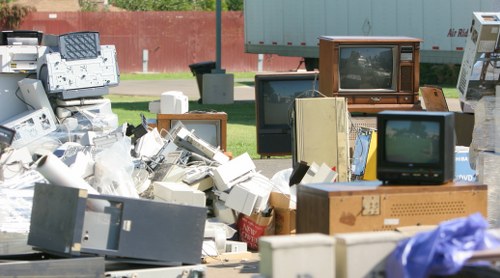
Health and Safety Policy for Flat Clearance Morden
This document sets out the health and safety policy applicable to all flat clearance and rubbish removal activities undertaken by the company operating within the service area. The purpose of this policy is to ensure safe, legal and efficient removal of household and commercial waste from flats, apartments and similar properties while protecting staff, clients and the public. It reflects the commitment to compliance with waste duty of care, hazardous materials handling and recognised safety standards. The policy applies to every employee, contractor and temporary worker involved in flat removal, rubbish collection and associated site work.Scope and Responsibilities
The policy covers all stages of a clearance project from initial survey through to transfer of material to authorised disposal or recycling facilities. Management holds overall responsibility for implementing and maintaining this policy, ensuring adequate resources and oversight. Supervisors and team leaders are responsible for on-site enforcement of safe systems of work and toolbox talks. Individual staff members must follow instructions, use issued personal protective equipment (PPE) and report hazards without delay. Rubbish clearance operations will always be planned to minimise risk and environmental impact. Legal compliance and record-keeping are core elements: waste transfer notes, COSHH data for hazardous substances and training records will be retained as required. The company will act in accordance with relevant waste regulations and health and safety law and will adopt best practice for apartment clearance and domestic rubbish removal.
Risk Assessment and Control Measures
All flat clearances will be subject to a documented risk assessment prior to work starting. Typical risks include manual handling injuries, slips and trips, falling objects, exposure to hazardous materials (e.g. asbestos-containing materials, sharps, chemicals) and vehicle movements. Control measures include mechanical aids for lifting, safe stacking procedures, clear walkways, and appropriate segregation of waste streams. The use of mechanical loading where possible, and correct lifting techniques will be emphasised to reduce musculoskeletal injuries. Training and competence are essential. Staff receive induction training, manual handling instruction and specific briefings for dealing with hazardous items. Supervisors conduct regular spot checks and refresher sessions. A clear permit-to-work approach will be used for higher risk tasks and any unusual hazards identified during surveys will be dealt with through bespoke method statements. Everyone is encouraged to raise concerns in the spirit of continual improvement.
Personal protective equipment is provided and maintained: hi-vis clothing, gloves suitable for the task, protective footwear and eye protection where required. Respiratory protection will be used where assessments indicate airborne hazards. The company enforces a no-ad-hoc handling rule for unknown substances; suspected hazardous materials are isolated and managed by trained personnel or specialist contractors.
Waste Handling, Segregation and Disposal
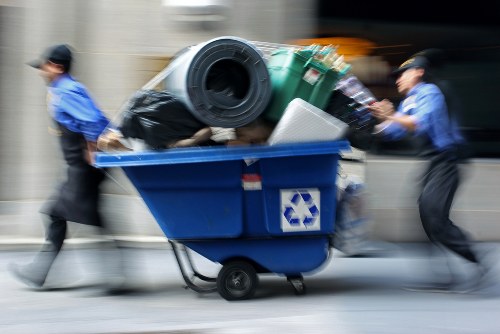
Correct separation of recyclables, general waste and hazardous items is mandatory. Clear labeling and containerisation reduce cross-contamination and help maintain a safe site. For bulky items and white goods, appropriate lifting and dismantling techniques are used to prevent strain and pinch injuries. Where chemical or sharps waste are encountered, items are placed in secure containers and disposed of via licensed carriers. The policy emphasises reuse and recycling wherever feasible as part of responsible rubbish company operations.Vehicle safety protocols include load restraint, vehicle inspections and driver competence checks. On-street operations are planned to control risks to the public and operatives, with traffic management measures implemented when necessary. Staff are trained in safe access and egress from vehicles and safe loading heights to avoid overreach. Any spillage from vehicles is managed immediately following containment and cleanup procedures.
The company maintains an incident reporting and investigation system. All accidents, near misses and unsafe conditions are recorded and assessed to identify root causes and prevent recurrence. Regular safety audits and performance reviews are scheduled, and corrective actions are tracked to completion. Insurance and statutory reporting obligations are observed where applicable.
Monitoring, Review and Continuous Improvement
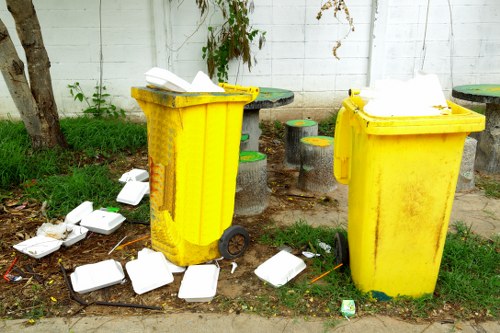
This policy is reviewed at planned intervals and after significant incidents or changes in legislation or operational practice. Management will set measurable safety objectives and regularly monitor performance against these targets. Employee engagement through safety meetings, suggestion schemes and competence assessments supports continuous improvement. Training needs are identified through performance reviews and incident analysis to ensure skills remain current.Key commitments include:
- Protecting health and preventing injury through proactive risk control.
- Legal compliance with waste and safety regulations across all clearance activities.
- Maintaining competence and ensuring staff are equipped with appropriate PPE and training.
All personnel are expected to familiarise themselves with this policy and apply it in their daily tasks. Management will provide leadership, support and the necessary resources to implement safety measures. This policy is endorsed at the highest level and will be made available internally to staff and external stakeholders where required for transparency and accountability.